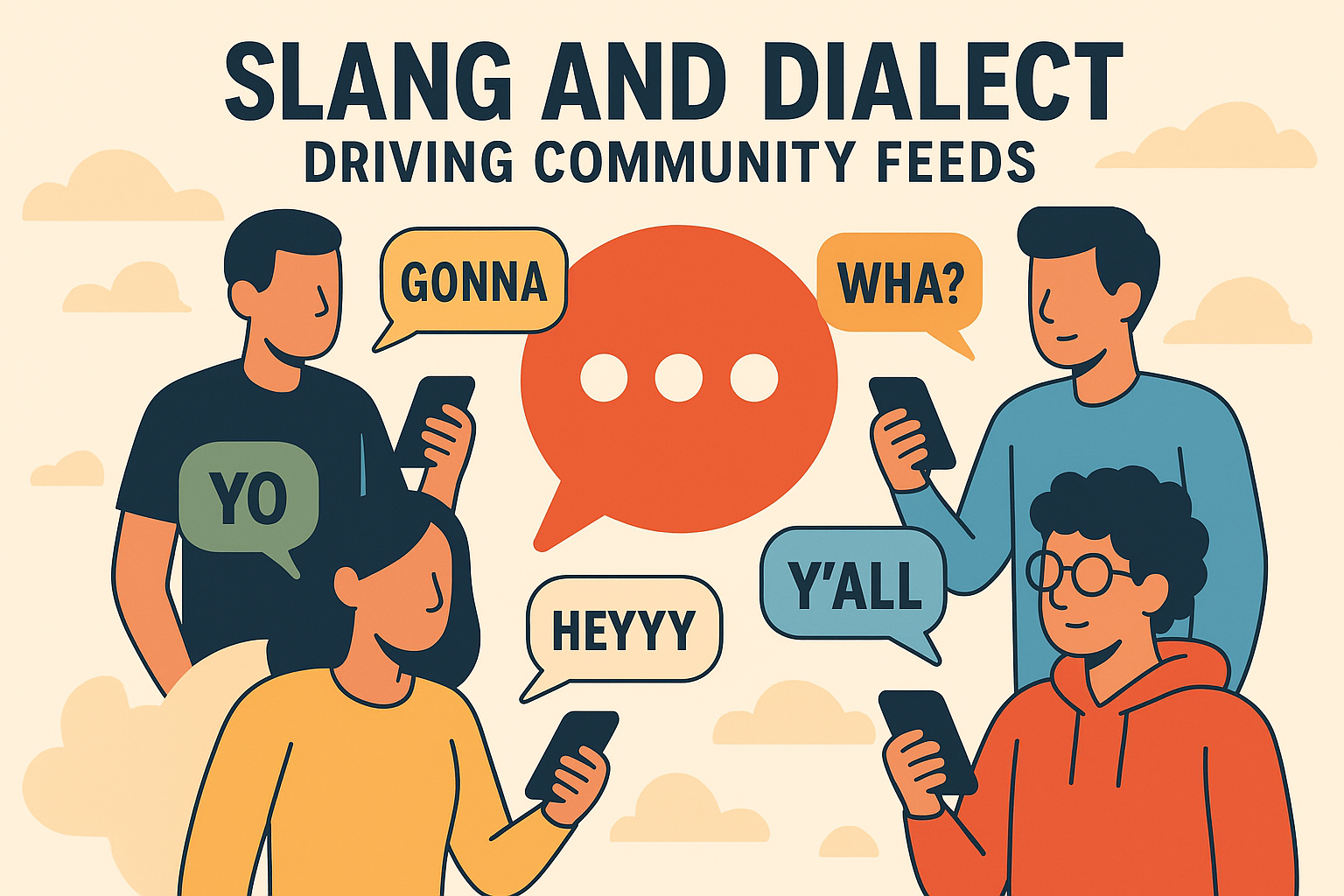
In 2026, social media content is thriving on language that feels local, familiar, and authentic. Slang, regional dialects, and playful phrases are becoming central to how audiences connect online. As a result, social media content that uses community-specific language fosters stronger engagement and creates a sense of belonging among followers. Moreover, slang and dialect signal identity and insider status.
Consequently, users feel recognized when social media content reflects their everyday speech or cultural references. Therefore, creators who embrace these linguistic nuances can cultivate highly loyal and interactive communities.
Why Slang and Dialect Work on Social Media
Language shapes how people perceive and interact with social media content. In addition, using slang or dialect makes posts feel personal, relatable, and culturally relevant.
- Relatability: Audiences recognize phrases they use in daily life.
- Authenticity: Social media content feels real, not overly curated.
- Community building: Shared language strengthens bonds among followers.
- Increased engagement: Viewers comment, tag friends, and share content that resonates.
- Trend adaptability: New slang spreads quickly and keeps social media content fresh.
Consequently, posts with localized language often see higher interaction rates than generic content.
How Creators Use Slang and Dialect
Creators use linguistic cues to build stronger connections and foster participation within their communities. Meanwhile, AI and analytics tools help identify trending phrases that resonate.
- Regional humor: Memes and jokes that use local phrasing increase relatability.
- Catchphrases and recurring terms: Repeated slang reinforces brand voice in social media content.
- Cultural references: Dialects reference specific experiences that outsiders may not fully understand.
- Interactive content: Polls, questions, or challenges leverage local language to encourage responses.
- User-generated content: Fans incorporate slang when participating, reinforcing the community.
As a result, social media content becomes more than posts—it becomes a shared culture.
Why Audiences Engage with Slang-Driven Feeds
Audiences gravitate toward social media content that mirrors their speech and lifestyle. In contrast, generic posts often fail to capture attention. Meanwhile, slang and dialect give users a sense of ownership and identity.
- Feeling included: Followers enjoy content that “speaks their language.”
- Memorable branding: Unique phrasing sticks in viewers’ minds.
- Higher shares: Audiences share social media content that reflects their identity.
- Conversation starters: Slang invites discussion, debate, and inside jokes.
- Stronger loyalty: Followers feel a personal connection to creators who use familiar language.
Because of this, social media feeds that embrace dialect and slang thrive on engagement and community growth.
The Future of Language On Social Media
As social media evolves, communities will increasingly value authentic expression. Furthermore, AI tools and analytics may help creators discover trending phrases, popular slang, and regional dialects to better connect with their audiences. In addition, incorporating these elements into social media content strengthens engagement.
Ultimately, slang and dialect are more than a linguistic trend—they are tools that drive belonging, participation, and loyalty on social media. Therefore, creators who use them thoughtfully in their social media content will continue to shape thriving community feeds in 2026 and beyond.