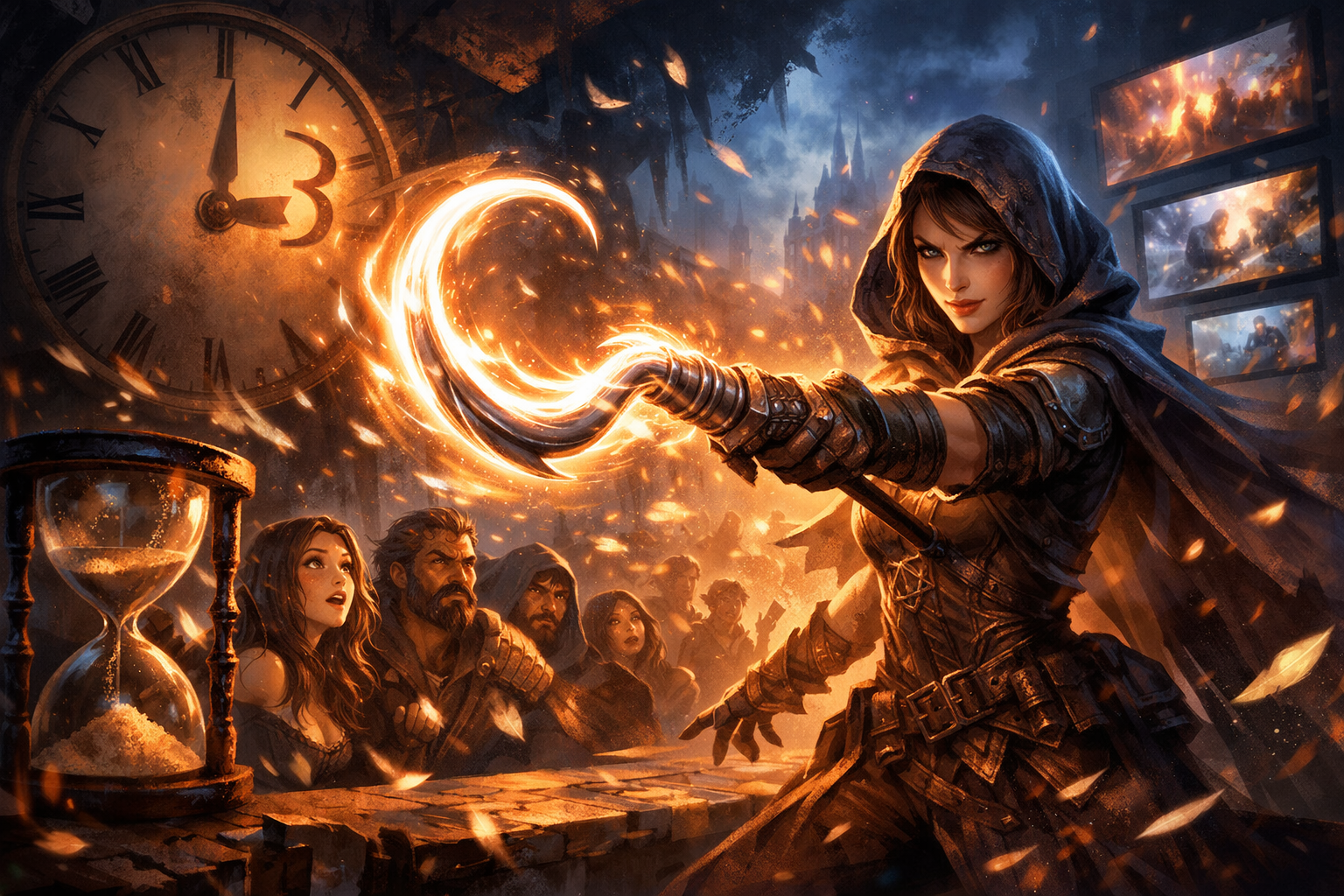
On social media, every scroll is a split-second choice. As feeds refresh endlessly, creators no longer ease viewers into a story. Instead, the first three seconds now decide whether a post earns attention or vanishes. Because users scroll on autopilot, creators design social media hooks that interrupt movement before conscious thought kicks in.
At the same time, social media platforms reward instant signals. When users pause, replay, or engage early, algorithms respond quickly. As a result, creators treat the opening seconds as the most valuable real estate in any post, not just a warm-up for what comes next.
Why the First Three Seconds Matter on Social Media
Today, social media content competes with habit, not just other creators. Viewers swipe instinctively, so creators must break that rhythm immediately. Therefore, strong openings prioritize visual and emotional impact over explanation.
- Unexpected visuals or framing: An unusual angle or sudden movement stops scrolling behavior
- Instant emotional cues: Curiosity, tension, or surprise appears before context
- High visual contrast: Bold motion or color separates the post from surrounding content
- Immediate subject clarity: The core idea appears instantly instead of building slowly
- Fast pacing with control: Energy feels deliberate rather than chaotic
Because of this, creators design social media posts that hit hard upfront, ensuring viewers stay long enough to process the message.
How Creators Engineer Scroll-Stopping Hooks
Rather than relying on chance, creators now plan their first seconds strategically. While storytelling still matters, the hook carries the weight early. Consequently, content structures across social media platforms have shifted.
- Opening mid-action: Posts begin inside the moment, not before it
- Visual curiosity over verbal prompts: Viewers feel a question without hearing one
- Immediate on-screen text: Key context appears within the first glance
- Sound that signals urgency or mood: Audio reinforces importance instantly
- Early value signals: The brain senses relevance before full information arrives
As a result, creators front-load impact while trusting the rest of the content to deepen engagement.
Why the Best Hooks Feel Natural
Interestingly, the strongest hooks rarely feel aggressive. Instead, they feel intuitive. When creators understand their audience, the opening aligns smoothly with expectation and curiosity.
- Platform-specific pacing: Fast for short-form feeds, calmer for narrative formats
- Familiar formats with a twist: Comfort mixed with surprise keeps attention
- Emotion before explanation: Feeling arrives before logic
- Minimal setup time: Viewers are never asked to wait
- Seamless transition into the message: The hook flows naturally into the content
Because of this balance, effective hooks feel effortless while doing the hardest work on social media.
Ultimately, the first three seconds define how social media content performs. Creators who respect that moment design posts that feel intentional from the very first frame. Instead of hoping audiences stay, they give them a reason immediately.
In the end, great hooks are not tricks or shortcuts. They are clarity in motion. When creators know exactly what matters, audiences feel it instantly, and social media content becomes harder to ignore and easier to remember.