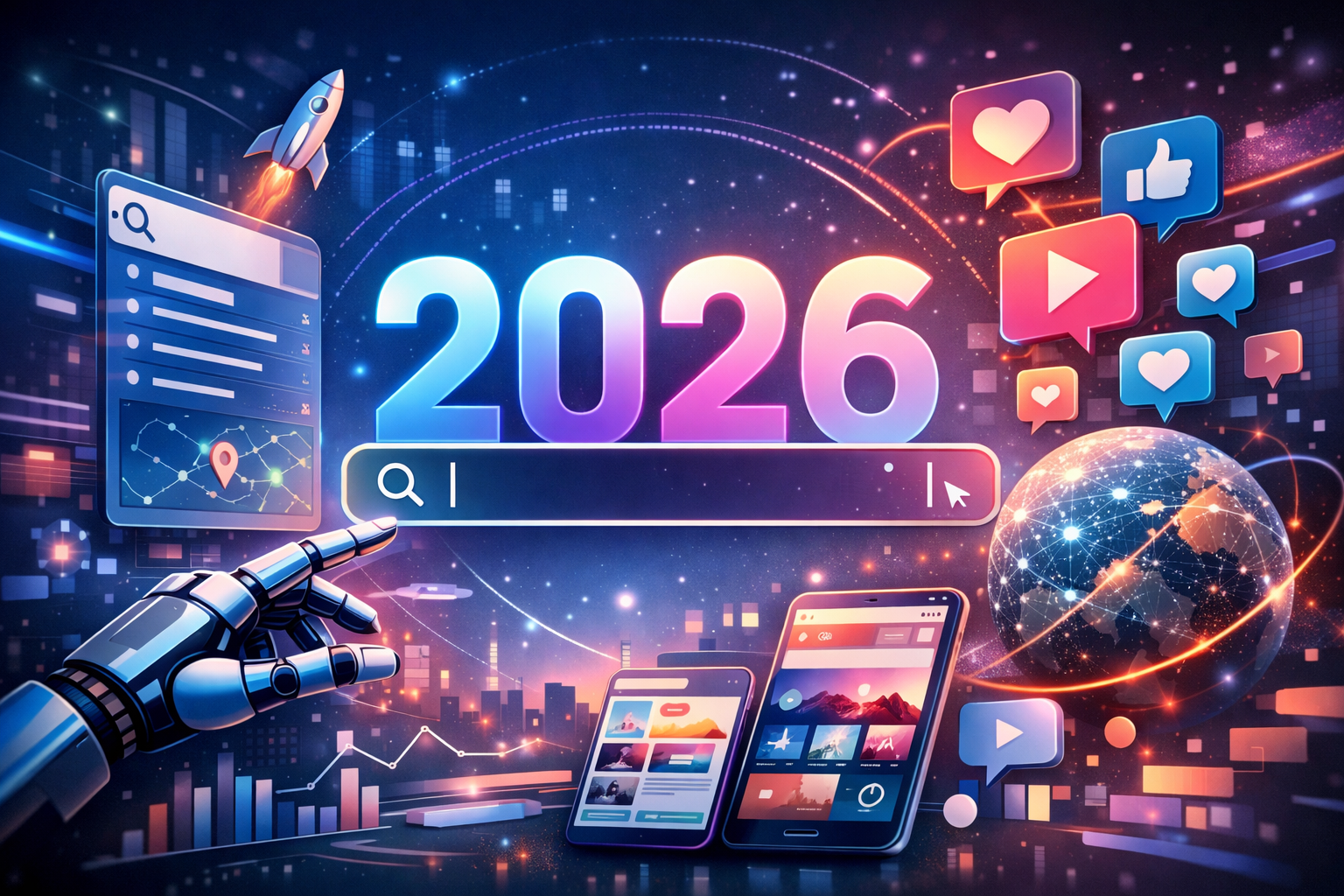
In 2026, social platforms are no longer just places to scroll—they are places to search. As a result, brands and creators are rethinking how campaigns are planned, written, and published. Instead of relying on trends or timing alone, content is increasingly designed to answer questions, solve problems, and appear in platform search results. Consequently, feeds that prioritize discoverability are outperforming those built only for aesthetics or virality.
Moreover, algorithms across platforms now reward clarity, relevance, and intent. Therefore, posts that mirror how users search—using natural language, clear context, and structured messaging—gain longer visibility. Rather than disappearing after 24 hours, search-first content continues to attract views, saves, and engagement long after publishing.
What Search-First Content Really Means
It is created with discovery in mind from the start. Instead of asking “Will this trend?”, creators ask “Will this be found?”
- Intent-driven topics: Content answers real questions users actively search for
- Clear phrasing: Natural language replaces vague or clever wording
- Keyword alignment: Phrases match how people seek, not how brands speak
- Structured delivery: Captions, visuals, and hooks support discoverability
- Longevity: Posts remain relevant beyond launch day
Altogether, this approach shifts content from momentary engagement to sustained performance across feeds.
Why Algorithms Favor Search-First Feeds
Platforms are evolving into hybrid engines that mix entertainment with information. Therefore, algorithms increasingly prioritize posts that keep users searching and staying longer.
- Improved indexing: Clear language helps platforms understand content faster
- Higher retention: Search-led posts often provide immediate value
- Stronger signals: Saves, rewatches, and profile visits increase ranking
- Context clarity: Algorithms favor posts with obvious purpose
- Cross-surface reach: Content appears in search, recommendations, and feeds
As a result, it gains repeated exposure without additional promotion.
Why It Beats Hashtag-First
While hashtags still exist, their influence continues to shrink. Meanwhile, explorable language has become far more powerful.
- Natural discovery: Users search phrases, not hashtag clusters
- Context over clutter: Clear messaging beats overloaded captions
- Platform evolution: Search bars are now core navigation tools
- Audience behavior: People look for answers, not randomness
- Measurable impact: Search-driven posts show longer performance curves
Ultimately, its strategy aligns better with how people actually use platforms today.
The Future of Feed Visibility
This strategy is not a trend—it is a structural shift. As platforms continue to blend search, recommendations, and feeds, visibility will depend on clarity and usefulness, not volume alone. Therefore, brands that adapt early will build lasting reach while others chase short-lived spikes.
At the same time, this shift is redefining social media content itself. Instead of being disposable, posts are becoming reference points that users return to repeatedly. In 2026, the strongest feeds will feel less like timelines and more like libraries—organized, searchable, and consistently valuable.