As sustainability and ethical practices gain global attention, social media content increasingly reflects these values. From eco & ethical content to socially responsible brand campaigns, audiences now expect posts that promote mindful consumption and ethical behavior. As a result, creators and brands who highlight eco and ethical initiatives see higher engagement, stronger loyalty, and a more positive digital marketing reputation.
Moreover, social media users are becoming more conscious about the impact of their choices. They actively follow accounts that align with their values, share content that inspires change, and support brands that demonstrate transparency. Therefore, eco and ethical content isn’t just a trend—it’s a driving force shaping the feeds of 2026.
Why Eco & Ethical Content Resonates
Eco and ethical content works because it combines education, entertainment, and activism. Audiences want to feel informed and empowered while scrolling through visually engaging content.
- Relatability: Tips for sustainable living feel practical and accessible.
- Authenticity: Transparency about ethical practices builds trust.
- Shareability: Inspiring initiatives and eco hacks encourage reposts.
- Community engagement: Followers join conversations, share experiences, and participate in challenges.
- Positive association: Brands gain credibility by demonstrating social responsibility.
Consequently, creators who prioritize eco-conscious content can attract dedicated followers who actively engage with their social media feeds.
Key Trends on Social Media
Social media platforms showcase a variety of creative approaches to eco and ethical messaging. From stories to reels, creators are finding innovative ways to inspire change.
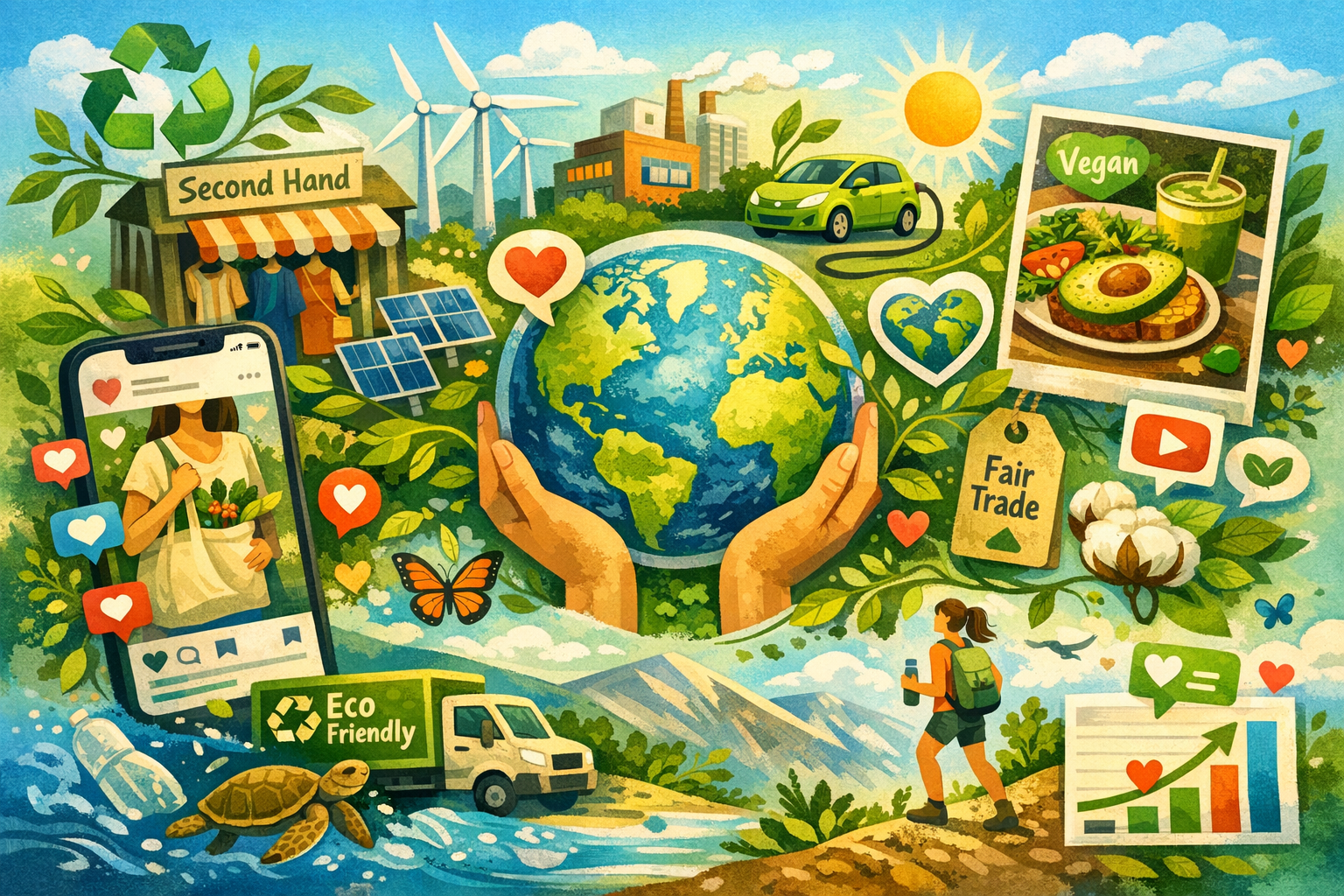
- Sustainable lifestyle tips: Zero-waste hacks, recycling guides, and mindful shopping ideas.
- Ethical brand highlights: Spotlighting companies with transparent supply chains or fair labor practices.
- Eco challenges: Campaigns like plastic-free weeks or plant-based meal challenges encourage participation.
- Educational graphics: Infographics showing environmental impact or social issues simplify complex topics.
- User-generated content: Followers share their eco efforts, creating a sense of community and accountability.
These trends transform social media feeds into spaces for inspiration, education, and actionable change.
How Creators Can Leverage Eco Content
To make eco-conscious content effective and engaging, creators need to combine authenticity, storytelling, and visual appeal.
- Be genuine: Showcase real practices rather than surface-level initiatives.
- Use visuals creatively: Photos, videos, and graphics communicate complex ideas quickly.
- Collaborate with eco brands: Partner with organizations that align with your values.
- Encourage audience participation: Promote challenges, tips, and interactive polls.
- Track impact: Highlight measurable results or community achievements to strengthen credibility.
By integrating these tactics, social media content becomes more than eye-catching—it inspires meaningful action.
The Future of Eco & Ethical Content
Eco and ethical trends are expected to grow as users demand accountability from both creators and brands. Social media will continue to be a platform where conscious consumers connect, share, and influence positive change.
Moreover, with AI tools, analytics, and immersive content formats, creators can craft eco-focused posts that are visually stunning and data-driven. Ultimately, social media feeds in 2026 will reflect a balance of aesthetics and ethics, proving that responsible content can be both beautiful and impactful.