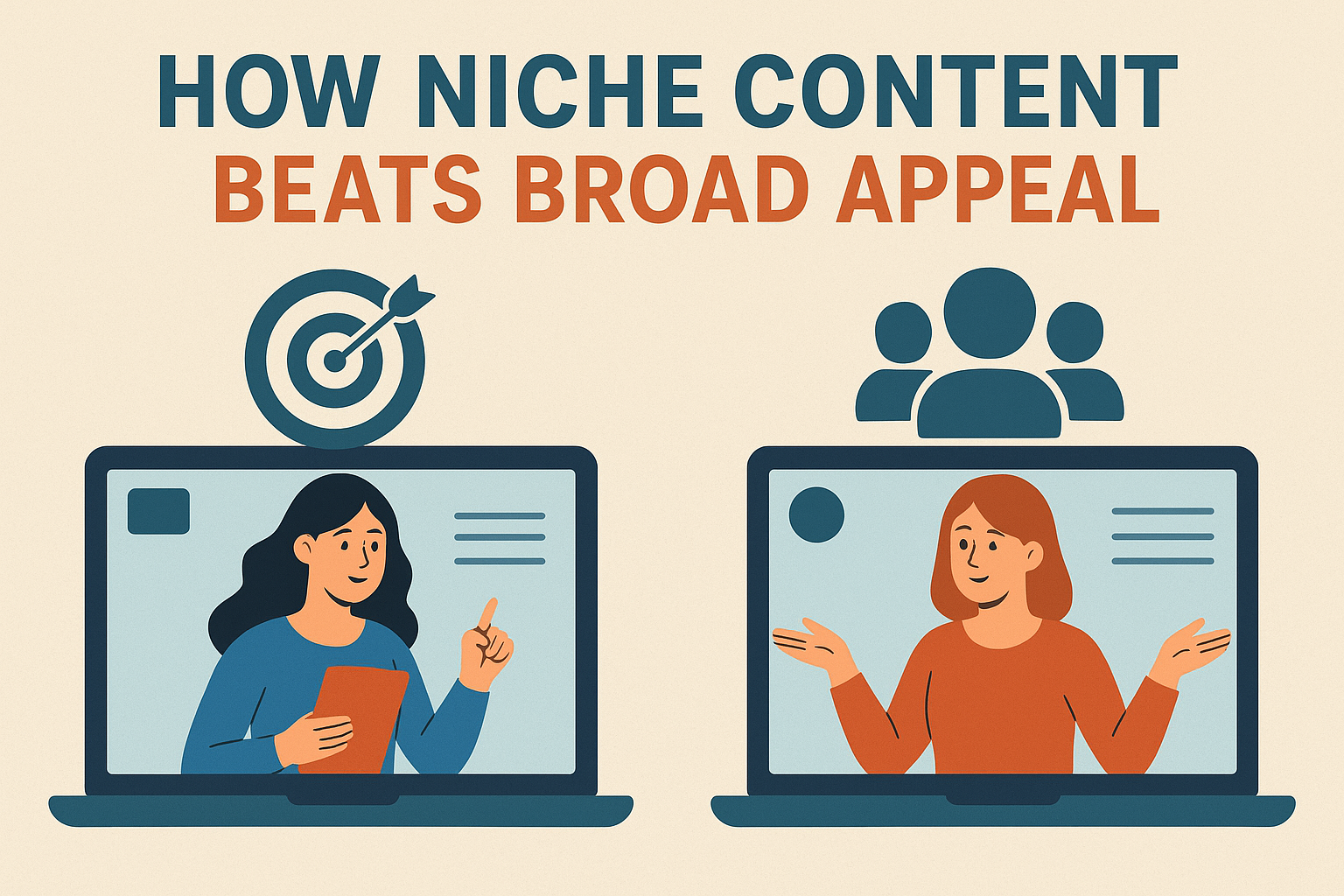
In 2025, brands are realizing that going broad is not always better. Instead, targeting specific niche audiences has proven far more effective for engagement, loyalty, and impact. Consequently, niche content allows brands to connect with communities that care deeply about a topic, rather than chasing superficial reach.
Moreover, niche-focused strategies create stronger emotional connections and higher retention. Therefore, understanding and catering to micro-communities is becoming a core approach for social media content success.
What Is Niche Content?
Niche content is content tailored to a very specific audience or interest group. In other words, it’s content that resonates deeply with a defined community rather than trying to appeal to everyone. Examples include:
- Hobby-focused content: Gardening tips, model-building, or drone photography
- Regional/local content: Cultural references, local slang, or city-specific events
- Professional/industry content: Finance hacks, design tutorials, or marketing insights
- Lifestyle micro-groups: Vegan cooking, minimalist living, or indie gaming communities
- Trend-specific content: Viral challenges, memes, or formats within a niche
Furthermore, it encourages repeat engagement and loyalty. In addition, it gives brands a clearer voice and identity in an overcrowded digital space.
Why It Works Better Than Broad Appeal
Several factors explain why niche content often outperforms general content:
- Deeper engagement: Audiences feel understood and are more likely to comment, share, and save
- Stronger loyalty: Niche audiences are more invested and follow content long-term
- Higher content discoverability: Micro-communities often circulate content faster within their networks
- Less competition: Broad content competes with thousands of generic posts, while niche content can dominate its segment
- Better conversion rates: Highly targeted audiences are more likely to act on recommendations or offers
Additionally, focusing on niche topics allows brands to experiment creatively without the pressure of appealing to everyone. Therefore, it becomes easier to build a recognizable, authentic, and authoritative presence.
How Brands Can Master It
To leverage niche strategies effectively, brands should:
- Research micro-communities: Understand interests, pain points, and trends
- Tailor content to audience needs: Focus on highly relevant insights, tips, or stories
- Engage consistently: Respond to comments, join discussions, and acknowledge followers
- Experiment with formats: Short videos, carousels, polls, and interactive content resonate differently with niche audiences
- Use niche hashtags and keywords: Help content surface in targeted searches
- Collaborate with niche influencers: Boost credibility and access highly engaged audiences
Consequently, brands that invest in niche strategies can see amplified impact compared to generic, one-size-fits-all campaigns. Furthermore, this approach often leads to higher ROI and sustainable growth.
Examples Across Platforms
TikTok: Mini-tutorials, niche humor, or hobby-specific hacks
- Instagram: Reels and carousel posts targeting local, lifestyle, or hobby-based communities
- YouTube: Channel series dedicated to narrow interests, like indie games, unique cooking styles, or micro-learning
- Twitter/X: Targeted threads and discussions that engage specific professional or cultural communities
- Facebook Groups: Hyper-focused communities sharing tips, insights, or user-generated content
As a result, brands that specialize in niche content outperform generic content by creating loyal, engaged audiences that advocate for their message.
The Future of Niche Content
As social media becomes increasingly crowded, niche content will continue to be the key differentiator. Moreover, micro-communities will grow, and brands that ignore this trend risk becoming background noise. Ultimately, focusing on niche topics, delivering consistent value, and fostering meaningful engagement is the most sustainable way to build social influence in 2025 and beyond.