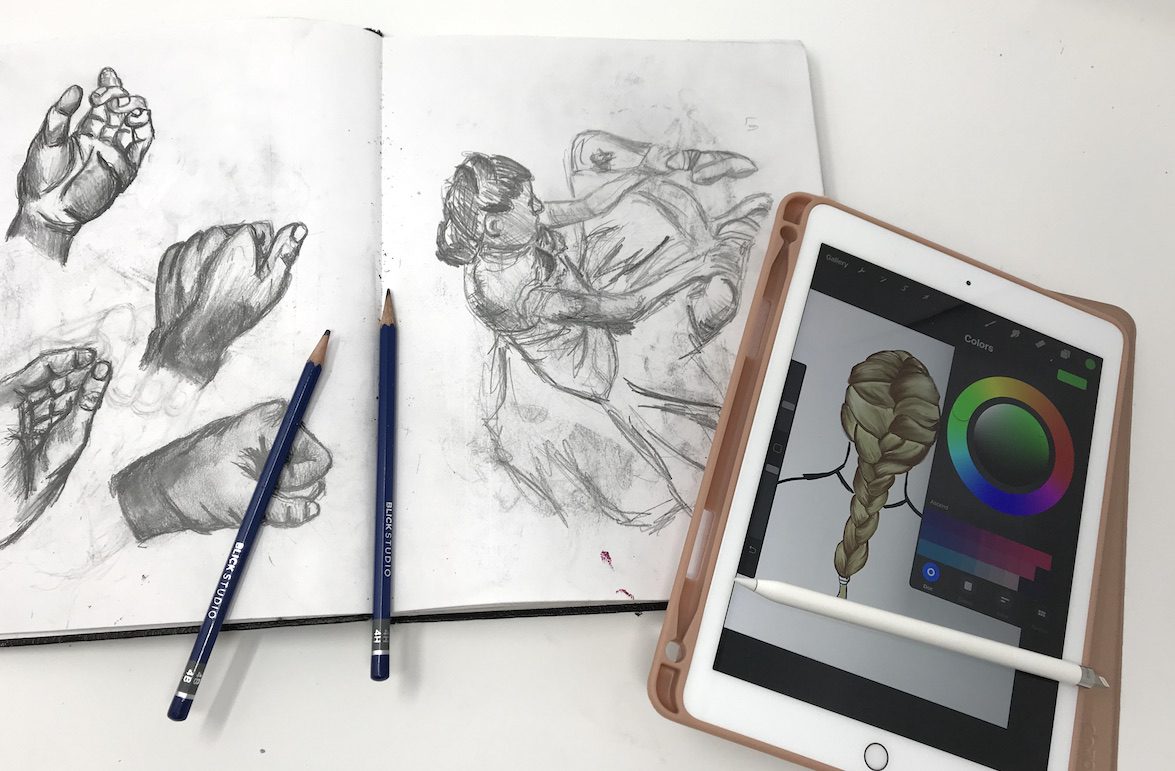
In the ever-evolving world of social media, emerging trends often shape the way we consume and interact with content. One such trend that has gained significant attention is the rise of non-fungible tokens (NFTs) and digital art. In this blog, we will explore the impact of NFTs and digital art in the realm of social media, highlighting their transformative influence on the art industry and the way we perceive and engage with artistic creations.
Transition: To begin with, let’s delve into the concept of NFTs and how they have revolutionized the art market.
NFTs, or non-fungible tokens, have become a game-changer in the world of digital art. Unlike cryptocurrencies such as Bitcoin or Ethereum, NFTs represent unique digital assets that can be bought, sold, and owned. They are built on blockchain technology, which provides a transparent and immutable record of ownership. This innovation has allowed artists to monetize their digital creations in unprecedented ways and has opened up new avenues for artistic expression.
NFTs have found a natural home on social media platforms,
where they have sparked a wave of engagement and virality.
Social media platforms, with their vast user bases and ability to disseminate content quickly, have played a pivotal role in the NFT and digital art boom. Artists can showcase their works on platforms like Instagram, Twitter, and TikTok, attracting attention and cultivating a following. The limited supply and exclusivity of NFTs have created a sense of urgency and desire among collectors, leading to heightened engagement and social media buzz.
the interplay between NFTs, digital art, and social media
It has prompted new forms of collaboration and community-building.Artists, influencers, and collectors have formed alliances and networks on social media, collaborating on NFT drops, sharing insights, and promoting each other’s work. This sense of community has fostered a supportive environment for artists to thrive, while also providing a platform for collectors to discover and engage with emerging talent. Social media has become a virtual gallery, where artists and art enthusiasts can connect, exchange ideas, and contribute to the growth of the digital art ecosystem.
The accessibility and democratization of digital art
through NFTs have challenged traditional notions of value and ownership.Traditionally, the art world has been exclusive and elitist, with gatekeepers dictating what is deem valuable and worthy of recognition. However, NFTs have disrupted this paradigm by providing a direct channel for artists to connect with their audience and sell their work without intermediaries. Social media has amplified this shift, allowing artists to gain visibility and recognition based on the merit of their creations, rather than their social or institutional connections.
Transition: In conclusion, the convergence of NFTs, digital art, and social media has transformed the art landscape, offering new opportunities for artists and reshaping the way we engage with artistic content.
The advent of NFTs has empowered artists to monetize their digital creations, while social media platforms have provided the means to amplify their reach and create a vibrant community. The democratization of art through NFTs challenges traditional structures and fosters inclusivity, allowing for a more diverse representation of artistic voices. As the digital art movement continues to evolve, social media will undoubtedly remain a catalyst for innovation, collaboration, and the exploration of new frontiers in artistic expression.
In this dynamic landscape, artists and art enthusiasts alike can embrace the power of NFTs and digital art, leveraging social media as a platform for creativity, connection, and cultural transformation.
Transition: With the ever-evolving nature of social media, it is essential to stay informed about emerging trends and adapt your content strategy accordingly. By embracing the transformative power of NFTs, digital art, and social media, you can ride the wave of this exciting movement and make your mark in the evolving artistic landscape.