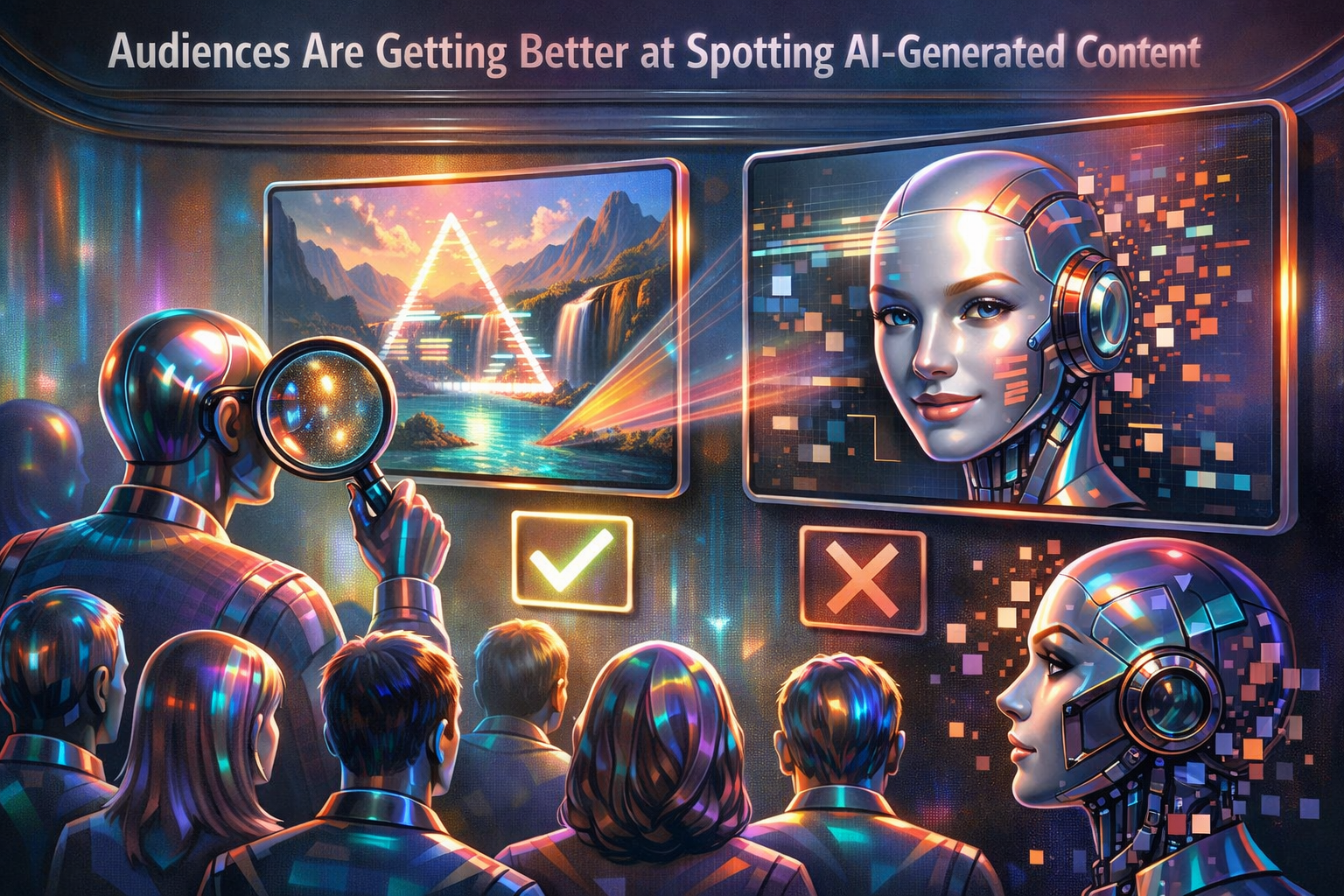
For a while, AI felt like a creative shortcut that blended in seamlessly. However, as tools became more common, audiences started paying closer attention to AI-generated content. Today, many viewers can instantly sense when something feels automated rather than intentional. As a result, trust now plays a bigger role in how content is received.
At the same time, exposure has trained people’s instincts. Because feeds are flooded with similar formats, tones, and visuals, repetition stands out quickly. Consequently, audiences scroll past anything that feels generic, even if it looks technically impressive.
Why AI-Generated Content Patterns Are Becoming Obvious
At first, AI-generated content impressed people with speed and polish. Over time, though, repeated structures and predictable choices made it easier to recognize. Therefore, what once felt innovative now often feels familiar.
- Overused phrasing and tone: Audiences notice recycled hooks, balanced sentences, and overly neutral language
- Perfect but empty visuals: Clean visuals without imperfections feel staged rather than lived-in
- Lack of personal context: Content misses specific experiences, locations, or emotions
- Predictable storytelling arcs: Viewers sense the formula before the message lands
- Emotion without depth: Feelings appear described rather than genuinely felt
Because of these patterns, people increasingly trust their instincts and disengage faster when something feels machine-made.
How Audiences Adjust Their Expectations
As awareness grows, audiences no longer reject AI outright. Instead, they expect transparency and intention. Therefore, creators who use AI thoughtfully still earn attention, while careless use backfires.
- Human signals matter more: Voice inflections, pauses, and imperfections feel reassuring
- Original perspectives win: Unique opinions outweigh flawless execution
- Context builds credibility: Specific details signal real experience
- Purpose over volume: Audiences prefer fewer, more intentional posts
- Blended creation feels safer: AI support works best when guided by human judgment
Ultimately, people reward content that feels considered, even when AI supports the process behind the scenes.
What This Shift Means for Content Going Forward
As audiences sharpen their ability to spot AI-generated content, creators must rethink how they use these tools. Instead of aiming for speed alone, they need to focus on authenticity and relevance.
In the long run, AI works best as an assistant, not a replacement. When creators lead with human insight and use AI to enhance—not define—their voice, content feels credible, engaging, and worth trusting.