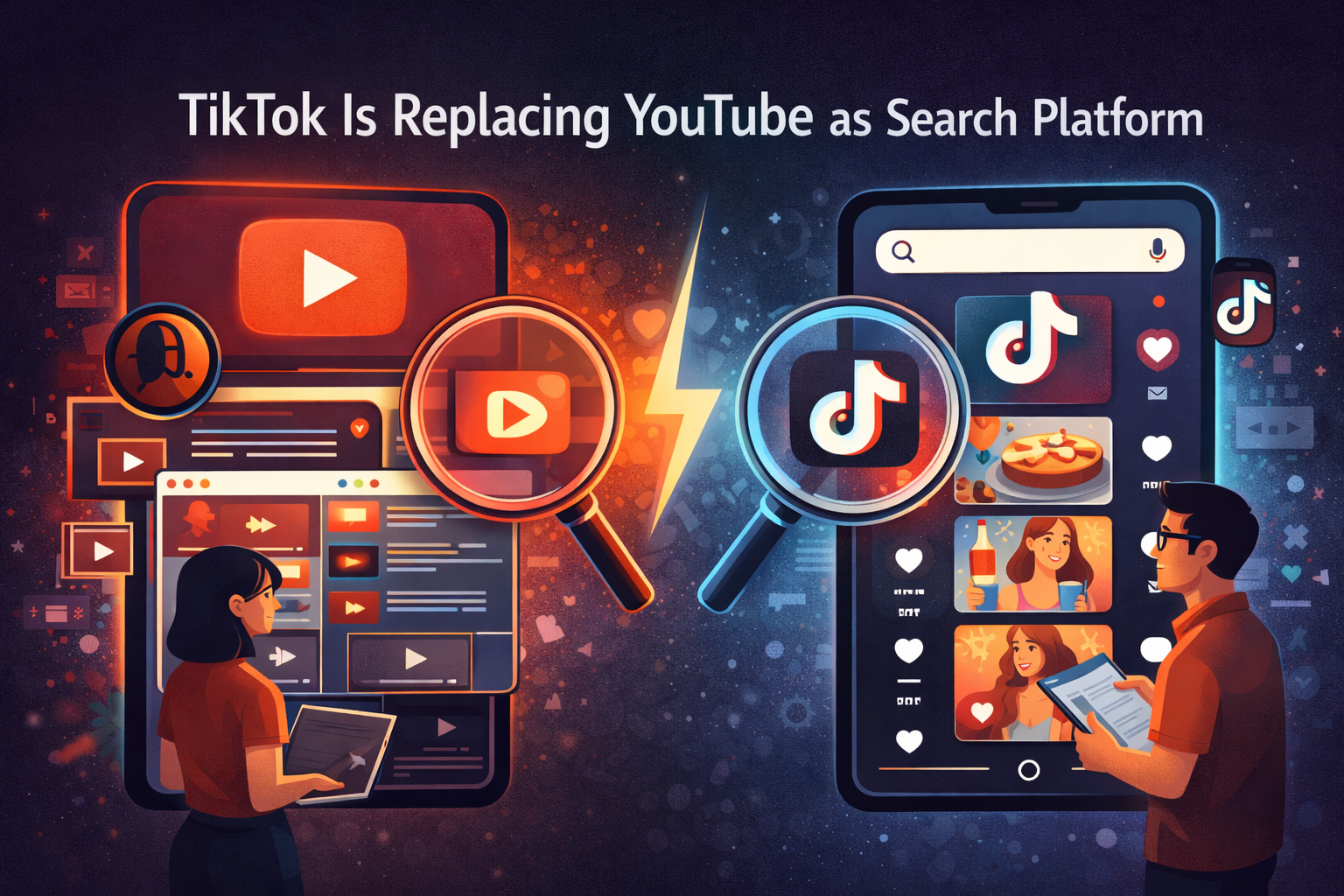
For years, YouTube dominated video search. However, user behavior has shifted. Today, people actively open TikTok search platform to look things up, not just to scroll. As a result, discovery now happens inside fast-moving feeds instead of traditional search pages. Moreover, campaigns, recommendations, and tutorials often appear through short-form videos before users ever consider longer platforms.
At the same time, TikTok has reshaped what “search” means. Instead of structured queries and long explanations, users expect fast, visual answers from real people. Consequently, the platform feels less like a library and more like a constantly updated stream of lived experiences and opinions.
Why TikTok Feels More Natural for Search
First, TikTok mirrors how people think and ask questions in everyday life. Users search casually, and they expect instant context. Therefore, results feel easier to consume and more relevant.
- Delivers immediate answers: Videos jump straight into the point, saving time and matching modern attention spans
- Shows visual proof instantly: Seeing results builds trust faster than listening to long explanations
- Centers relatable creators: Everyday voices feel more authentic than highly produced tutorials
- Expands through comments: Comment sections add updates, opinions, and alternatives in real time
- Anticipates intent: TikTok often surfaces what users meant to search for, not just what they typed
Altogether, TikTok turns search into an intuitive, fast, and human experience rather than a technical one.
How Creators Optimize Content for Search Behavior
Meanwhile, creators adapt quickly to this shift. Instead of chasing trends alone, they now design posts to answer questions clearly and repeatedly. As a result, searchable structure matters just as much as creativity.
- Hook with intent early: Creators open videos by stating the exact problem or question to capture search-driven viewers
- Write query-style captions: Captions mirror how users search, which helps videos surface over time
- Frame topics as evergreen: Creators position content to stay relevant months after posting
- Show results upfront: Early outcomes keep viewers engaged and improve discoverability
- Turn comments into content: Creators transform questions into new videos, steadily expanding their searchable library
Because of this approach, social media content now aims to be found—not just watched.
Why This Shift Changes Discovery for Everyone
In the short term, TikTok replacing YouTube as a search platform doesn’t eliminate long-form video. However, it changes where discovery begins. More often, TikTok sparks curiosity first, while YouTube supports deeper exploration later.
In the long run, brands and creators who understand this behavior gain a clear advantage. By designing social media content around search intent, clarity, and usefulness, they meet audiences exactly where discovery now starts—and where decisions increasingly take shape.