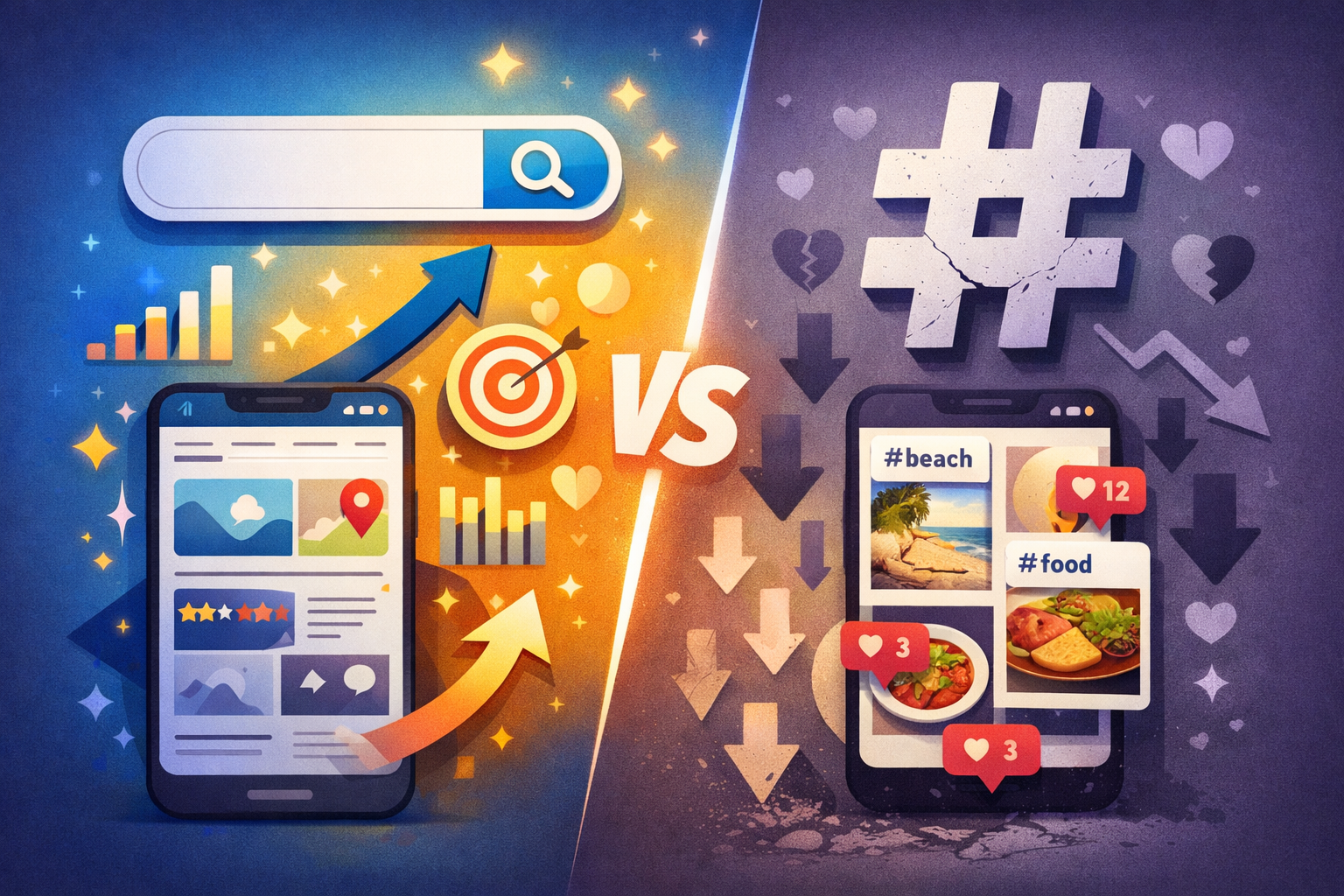
In the evolving world of social media, hashtags are no longer the dominant discovery tool they once were. Instead, search-first posts—content designed to appear in platform search results—are gaining traction. Brands and creators are now prioritizing discoverability through keywords, captions, and descriptions rather than relying solely on trending tags. As a result, content reaches audiences actively looking for topics rather than passively scrolling through feeds.
Moreover, search-first strategies align with user intent. Consequently, posts that answer specific questions or provide solutions perform better in engagement and reach. Campaigns that focus on searchable content attract more qualified traffic and foster lasting connections with followers.
Why Search-First Content Works
Search-first posts capitalize on how people actively seek content, instead of waiting for trends to emerge. In contrast to hashtag-focused strategies, this approach emphasizes relevance, utility, and clarity.
- Higher discoverability: Posts appear when users search for related topics
- Longevity: Searchable content remains visible longer than fleeting hashtag trends
- Better targeting: Captions and keywords connect with intent-driven audiences
- Quality over quantity: Focus shifts to meaningful content rather than tag-stuffing
- Improved engagement: Users actively looking for information are more likely to interact
Therefore, search-first content allows creators and brands to attract a more engaged and attentive audience.
How Creators Implement Search-First Strategies
Brands are rethinking captions, titles, and metadata to maximize discoverability. Additionally, they optimize for natural language and questions that audiences might type into search bars.
- Keyword-rich captions: Incorporate phrases users are likely to search for
- Clear titles: Communicate value instantly
- Descriptive metadata: Platforms index posts for easier discovery
- Tutorials and guides: Answer specific questions to appear in searches
- Educational content: Provides actionable tips that remain relevant over time
As a result, posts are easier to find, more useful, and continuously drive traffic and engagement.
Why Hashtags Are Losing Ground
While hashtags still help organize content, they no longer guarantee visibility. In fact, oversaturation and repetitive tagging reduce their effectiveness.
- High competition: Popular hashtags are flooded with content
- Limited relevance: Trending tags may not match user intent
- Short lifespan: Hashtags peak quickly and fade
- Passive discovery: Users scroll but may not actively engage
- Algorithmic preference: Platforms increasingly reward content optimized for search
Consequently, hashtags are now secondary tools, supporting discoverability rather than driving it.
The Future of Search-First Content
Search-first posts reflect a larger shift toward intent-driven discovery. Ultimately, creators who focus on keywords, informative captions, and valuable content will outperform those relying solely on hashtags.
Furthermore, this strategy benefits long-term visibility. As audiences increasingly search for answers, tutorials, and guidance, search-first content ensures your posts remain relevant, shareable, and effective over time. By prioritizing discoverability, brands can create social media content that consistently reaches the right people, drives engagement, and fosters meaningful community interactions.