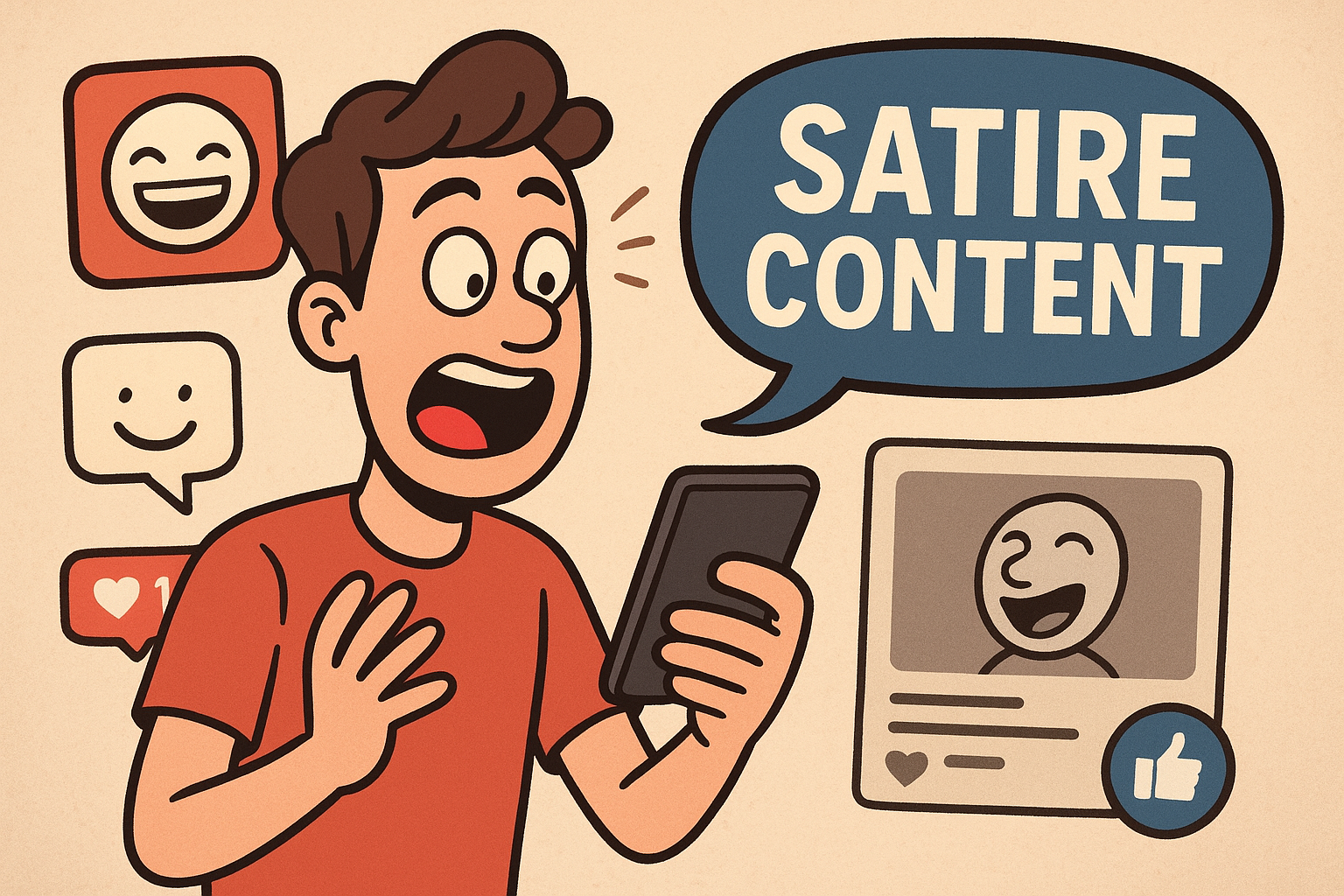
Satire has always had a place online, but in today’s fast-paced social media world, it has become the type of content people can’t resist sharing—sometimes publicly, but more often privately. It lets audiences laugh at everyday frustrations, cultural trends, and social norms without feeling too exposed. As a result, satire content thrives in DMs, private story shares, and quiet group chats where people can enjoy the joke without fully admitting they relate.
At the same time, satire softens the edges of reality. It gives people a safe way to talk about uncomfortable topics using humor, exaggeration, and irony. Therefore, it travels quickly across social media platforms, spreading through subtle whispers instead of loud reposts. When content feels too real, too accurate, or too bold, that’s when it gets shared the most—just quietly.
Why Satire Content Performs So Well
Satire taps into experiences we all recognize but rarely discuss openly. Because it wraps truth in humor, viewers feel understood without feeling judged.
- Relatable honesty: People see their own behaviors reflected—just funnier.
- Low-risk engagement: Sharing satire privately feels safer than posting it publicly.
- Social commentary: It addresses trends or issues without preaching.
- Emotional release: Humor helps audiences cope with stress or awkwardness.
- High shareability: Quick punchlines travel fast across chats and stories.
Consequently, satire becomes the secret language of social media—everybody laughs, but not everyone admits they’re laughing at themselves.
What Makes Satire Content “Secretly Shareable”?
Not all funny content becomes a behind-the-scenes hit. The pieces that get quietly shared strike the perfect balance between humor and truth.
- Close-to-home accuracy: It’s funny because it’s painfully real.
- Slightly unfiltered tone: Just enough edge to feel bold, but not offensive.
- Inside-joke energy: Followers feel like they’re in on something exclusive.
- Short punchlines: Quick humor performs best in private messages.
- Timely references: Satire hits harder when it reacts to current trends.
This formula turns everyday moments—like office frustrations, dating chaos, or influencer clichés—into the kind of humor people have to share with someone.
How Creators Can Make Satire That Spreads
The most effective satire feels effortless, but it’s intentionally crafted. Creators who excel at this style know how to push boundaries without crossing lines.
- Observe real behaviors: The funniest satire comes from watching people closely.
- Exaggerate one detail: Blow it up until it becomes ridiculous—but still recognizable.
- Use contrast: Combine sweet visuals with sharp commentary for maximum impact.
- Stay relatable: Inside jokes only work if the audience understands the reference.
- Leave room for interpretation: Ambiguity makes people discuss it privately.
Additionally, subtler satire often performs better than loud, obvious jokes because viewers feel clever when they “get it.” That satisfaction leads to more shares behind the scenes.
The Quiet Power of Satire Content on Social Media
Satire may not always dominate public feeds, but it rules the private side of social media. Every day, creators’ posts circulate through shared messages, late-night chats, screenshots, and “OMG this is so you” group conversations.
This quiet virality is powerful. It builds trust, strengthens audience loyalty, and creates a personal connection that public posts can’t always achieve. As more creators tap into satire as a storytelling tool, social media will continue evolving into a space where humor reveals more truth than the polished content ever could.
In the end, satire thrives because everyone relates—but not everyone wants to admit it. And that’s exactly why it spreads.